Hero Innovation Group
Replaced an in-production product with a rebuilt-from-scratch version in four months and led its visual revamp.
What the engagement looked like.
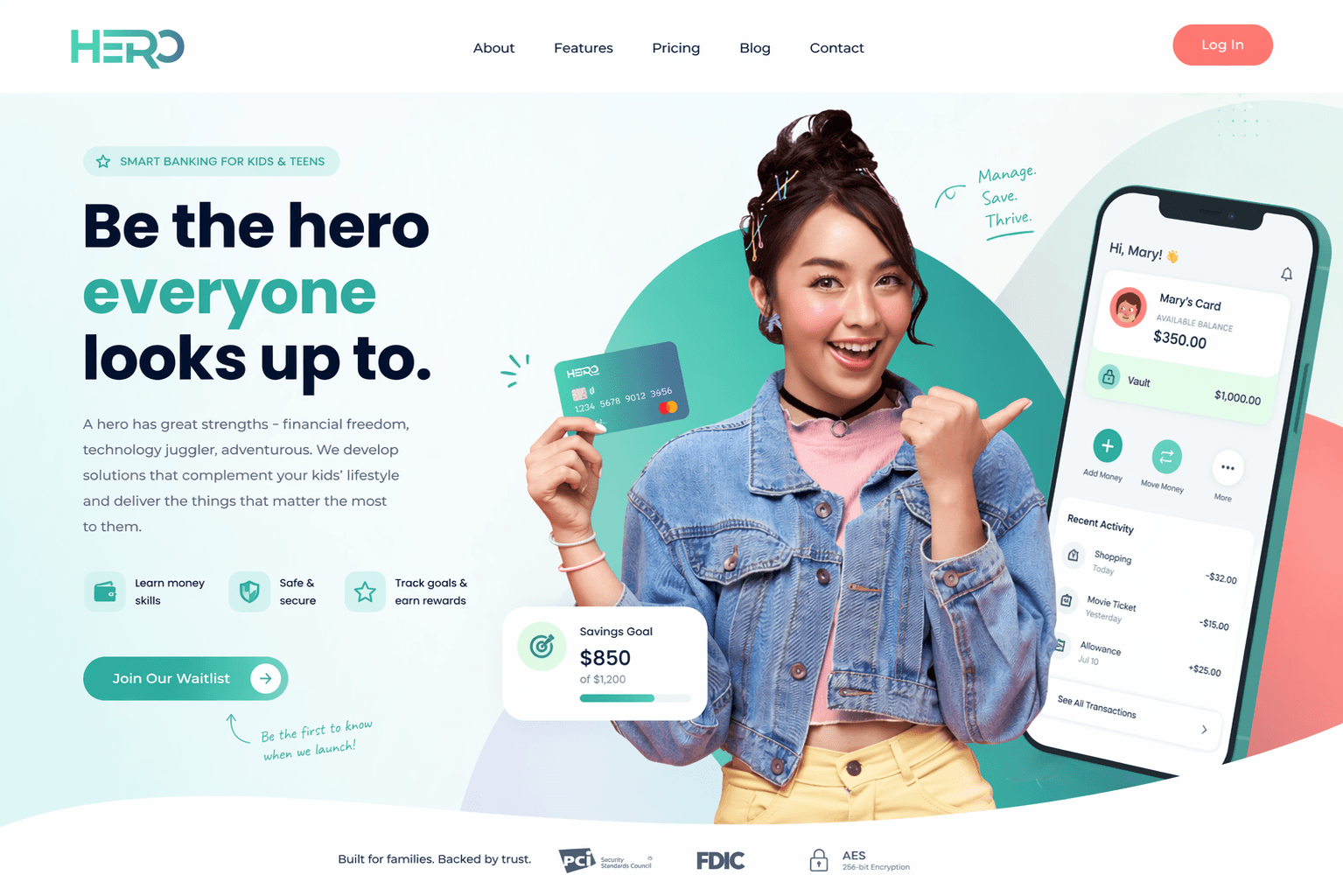
Hero had a product in production, a paying customer base, and an engineering process that had stopped scaling. The team wanted the same product — faster, cleaner, and visually owned in-house — without paying the cost of a stop-the-world rewrite. I joined to run the parallel track.
The problem on arrival.
The existing codebase had accumulated patterns that worked against the people writing them: conventions were implicit, the design system lived in a contractor’s Figma file, and new features took longer each quarter.
Visual direction was outsourced to an agency whose output didn’t survive contact with the real product — every handoff needed translation. Whoever was going to rebuild had to also absorb the design role.
How it came together.
4 phases, each one building on what the last one shipped.
- Month 1Parallel scaffold
New codebase stood up alongside the production one. Shared schema, separate conventions. No pressure to feature-match on week one — only to prove the patterns.
- Month 2Design brought in-house
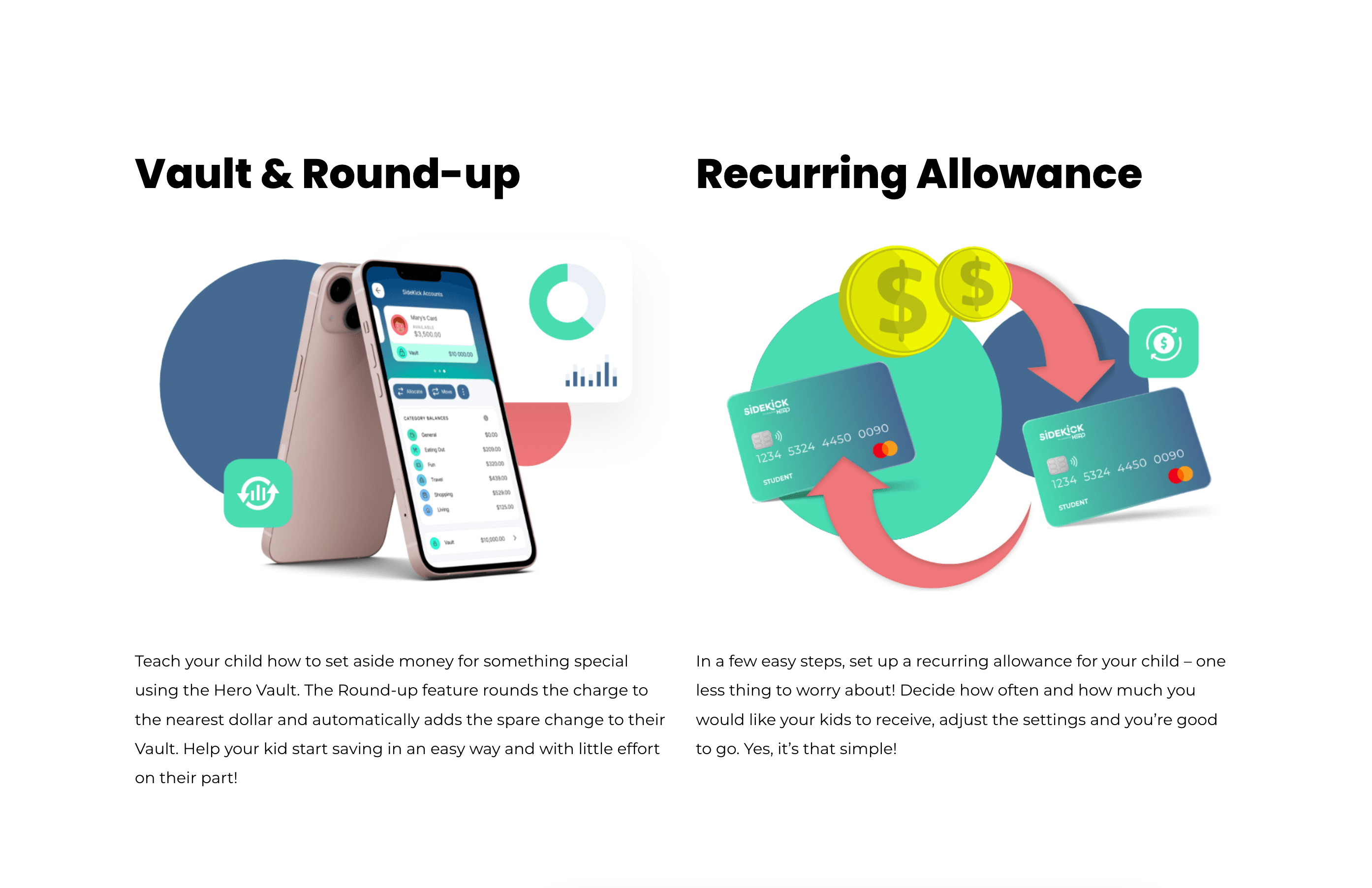
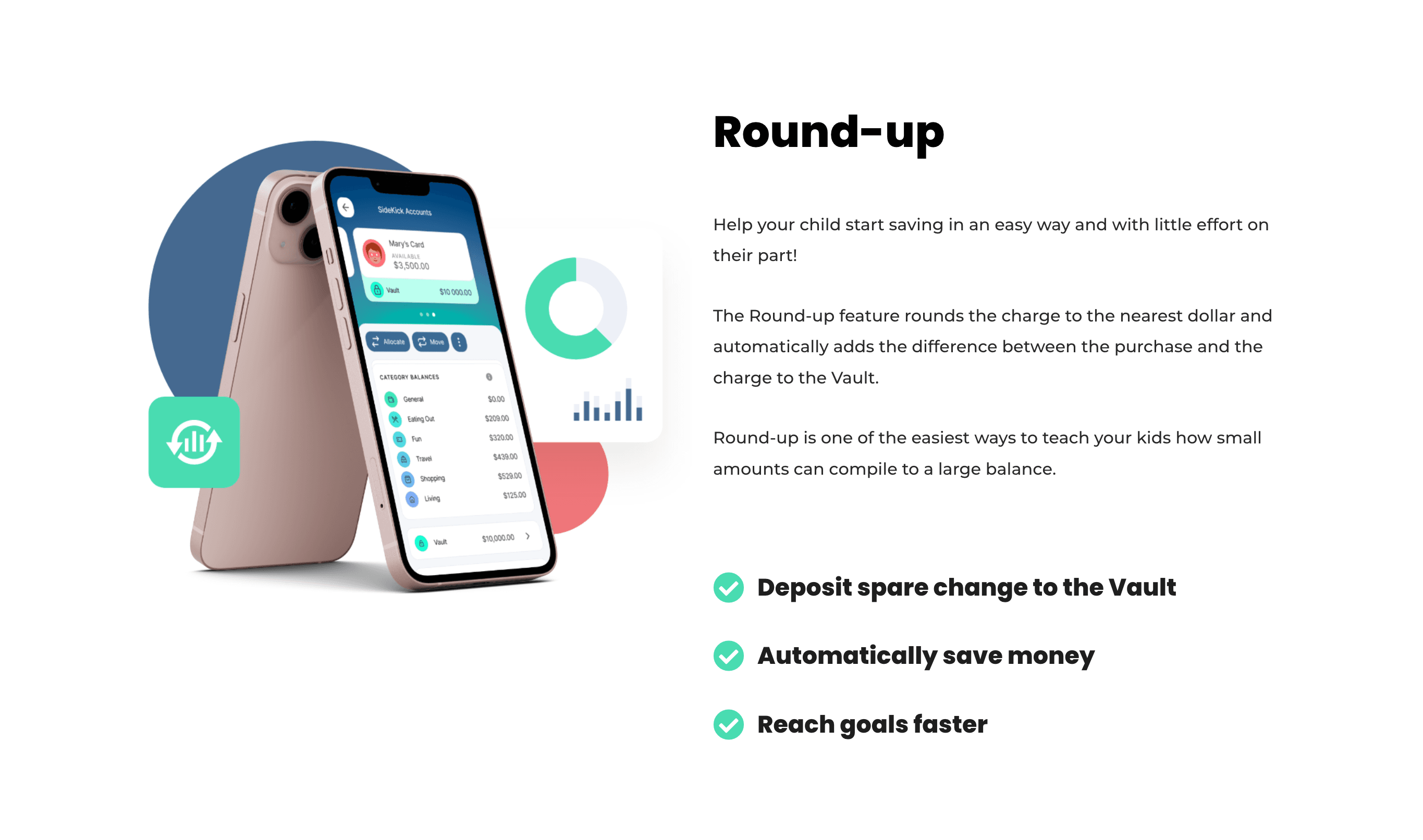
Pulled the visual system out of the contractor Figma into a lightweight token set the team could edit. Components redrawn where the agency version couldn’t survive real data.
- Month 3Vertical catch-up
Every feature in the production app shipped in the new one, one vertical slice at a time. Each slice was a chance to pick a cleaner pattern and keep it.
- Month 4Cutover
Users migrated without a downtime window. The old app stayed around a few weeks as read-only fallback, then retired.
What shipped.
The rebuilt product took over from the old one inside a quarter, with the visual direction now owned in-house and a codebase the team could actually extend. Two product lines ran in parallel for most of the engagement — one shipping, one being replaced — without either stalling.
Need this kind of ownership?
Open to full-time product engineering roles and select consulting engagements.
- 2023 — nowHostshareA host-only home-exchange network for Airbnb hosts — designed and engineered end to end, from the design system to the deploy pipeline.→
- 2021 — 2022Venzee.comTranslated business ideas into a functional second iteration of the core cloud product — MVP in four months.→
- 2020 — 2021BehaveHealthBuilt behavioral management software helping healthcare facilities respond to patient needs.→